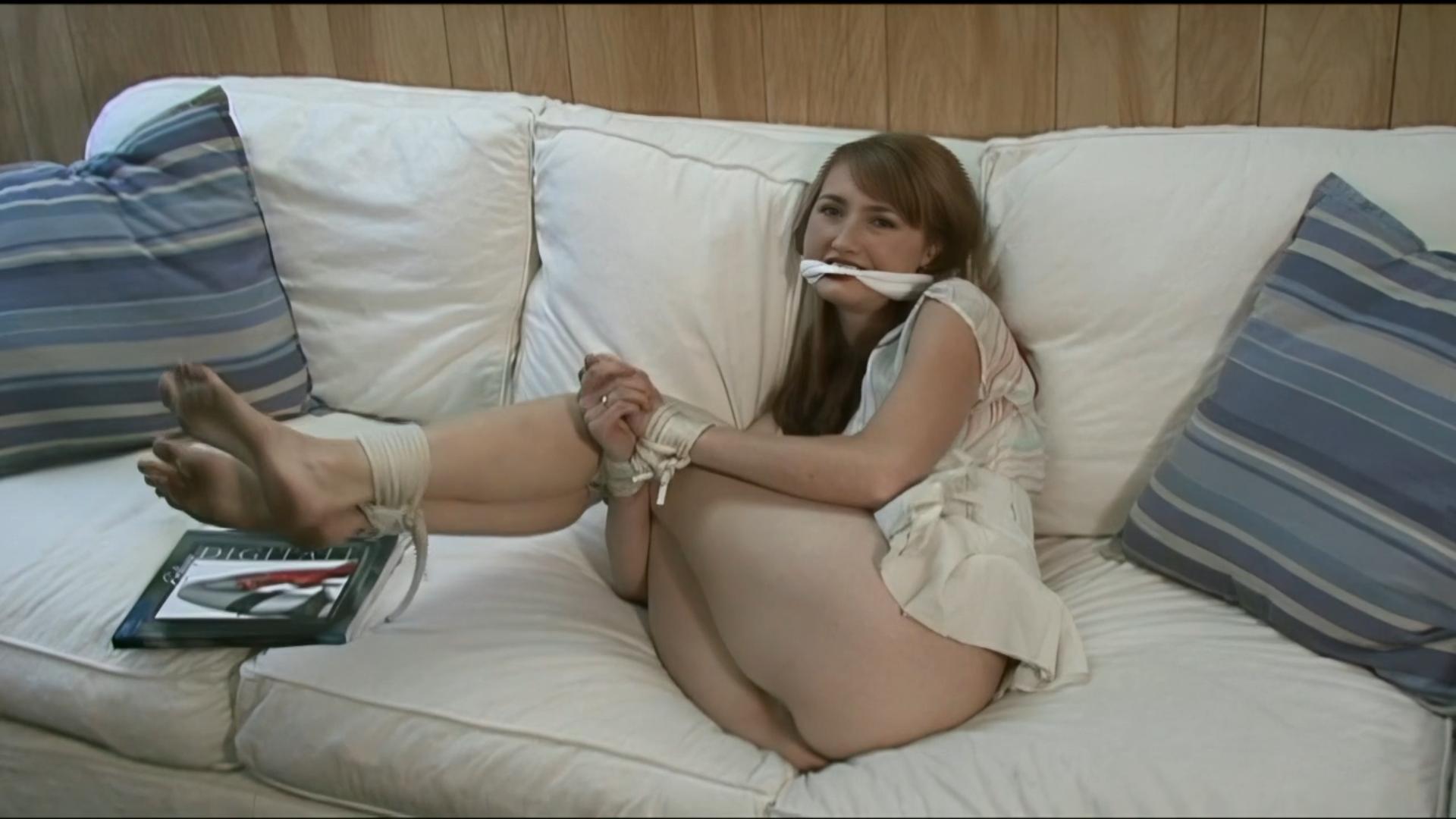
Kendra James believed her good looks could get her anywhere. For two years, I watched with growing fascination and mounting resentment as Kendra worked each room with the effortless finesse of a crowned prom queen: the hair just so, each twist of her lips measured and lethal, every laugh a precise instrument of extraction. She exploited the chemistry of light and gaze and voice, and she was the type that never seemed to notice the shadows she left behind.
But I noticed. I watched. I was there in the late hours, when the office lights were down to one row and the sound of the city was filtered through twenty-four stories of glass and steel. I watched Kendra take credit for projects and pitch decks that weren’t hers, watched her manipulate the line between flattery and threat, watched her collect allies and lieutenants while I collected the silent, invisible debts owed to me. It was a long study, this slow boil, an education in the ways people like Kendra moved through the world.
Tonight, when Kendra walked through the door of the private club, she didn’t see me immediately, though she probably should have. She was trailed by the usual flock of hangers-on… two interns, a junior partner, and some guest from another firm with an expensive suit and a hollow laugh. They swept in together, their voices buoyant with the expectation of easy victory, and they ordered drinks like they owned the place.
I was already behind her.
I waited until Kendra slipped away from the bar, pausing to check her reflection in the brass of a sconce, and that’s when I acted. A practiced hand to the back, a swift hook beneath the arm, and suddenly Kendra was being hauled through the staff corridor, her body light as a mannequin in my grip. Kendra tried to twist, to jerk her weight free, but I was prepared. I wrapped an arm around her neck and pulled her down the stairs, ignoring the scraping sound of Kendra’s heels on the concrete. The shoes came off in the scuffle – one left spinning at the top of the stairs, the other wedged beneath a trash can.
We reached the basement, where the stench of bleach and old sweat clung to the walls. A mop bucket sat in the corner, next to a pile of grimy rags – the very ones Kendra had once joked about, on a tour for clients, as proof that the place “kept things clean.” I jammed Kendra forward onto a folding chair, then pressed the dirty rag over her mouth before Kendra could draw a full scream. The sound she made was thin and desperate, nothing like the bright, cutting peals of laughter that had charmed boardrooms.
Kendra struggled, but my hands were fast. I yanked Kendra’s arms behind her back, bent her forward, and lashed her wrists together tightly, then used more rags to rope her ankles to the legs of the chair. By the time Kendra regained enough composure to thrash, it was useless – she was cinched in, immobilized, forced to breathe shallowly through her nose. Her mascara streaked from the sudden burst of tears, and her hair, so perfectly styled, now stuck to the dampness of her cheek.
While Kendra’s chest heaved with each panicked gulp, I circled her, inspecting the knots, assessing my work. I leaned in close and whispered, “You always said you admired initiative.” Kendra’s eyes, wide and unfamiliar with fear, darted wildly around the room as if searching for a hidden camera or a payoff. But this was real, I made sure of it.
With Kendra subdued, I straightened the chair so Kendra could see the clock on the wall. It was an old, institutional clock with a loud, lurching tick. I leaned against the far table and watched the minute hand make its slow, deliberate progress. Every movement was a countdown.
The meeting Kendra had engineered was scheduled for four hours from now – the meeting to end all meetings, the one she had spent months orchestrating, the one built almost entirely on my own work, sleepless nights, and research. Kendra had cherry-picked the best of my ideas, massaged the numbers, and was about to present it all as her own. The company owner was flying in from overseas, and he would sit in a conference room with an empty chair and a stack of untouched portfolios, waiting for a woman who would never arrive. It would be the end of Kendra’s career. I had found a kind of poetry in that.
From the basement window, I watched the city lights tremble on the river. I ignored Kendra’s muffled pleas and replayed in my mind every slight, every careless theft, every time I had been overlooked or left out. I remembered Kendra’s exact words, repeated often: “It’s not personal, it’s business.” It was personal now. I relished that.
After an hour, Kendra’s struggle faded and she slumped against her bonds, a ruined doll. Her dress was smeared with grime, her arms splayed awkwardly, and her breath came in hiccups. I watched and waited, letting the time drag for us both. At the two-hour mark, I let Kendra sip from a water bottle, pressing it gently to her lips. Kendra drank, still wild-eyed, and tried to speak, but only a guttural sound came out. I smiled and set the bottle aside.
“You should use this time to think,” I said, my voice soft. “About all the people you stepped on to get here. About how easy it was.” I walked around behind Kendra, savoring the sense of authority, the reversal of power. I almost felt sorry for her, for the way the reality of her own helplessness was starting to settle in. Almost.
In the final hour, I perched on the edge of the table and pulled out my phone. I scrolled through social media, watching the pregame selfies Kendra had posted just hours earlier. I browsed the emails Kendra had sent to the execs—the ones I had written, then watched Kendra forward without credit. Each little theft, each microaggression, was fuel.
At 7:58 a.m., I checked the clock again. I thought about the owner’s face when he realized Kendra wasn’t coming. I pictured the scramble, the frantic texts, the eventual defeat. I liked to imagine Kendra’s allies immediately distancing themselves, the way people do when a star begins to fall.
I took out my own presentation – the original, the one with my name on every page – and slid it into a battered briefcase. I looked at Kendra, limp and silent on the chair, and considered leaving her like that, but decided instead to loosen the bonds on her wrists just enough that she’d eventually free herself. I wasn’t a monster, just someone who believed in balance.
As I stepped out of the basement and into the early morning chill, I felt a calm I hadn’t known in years. I knew exactly what I was going to do next. I would walk into the meeting, portfolio in hand, and I would speak in my own voice. I would watch the minute hand, the same way Kendra had watched it, and know that, for once, time was on my side.
I looked back at the basement door, listened for a moment to the sound of the city waking up, and then walked away.
Comments are closed